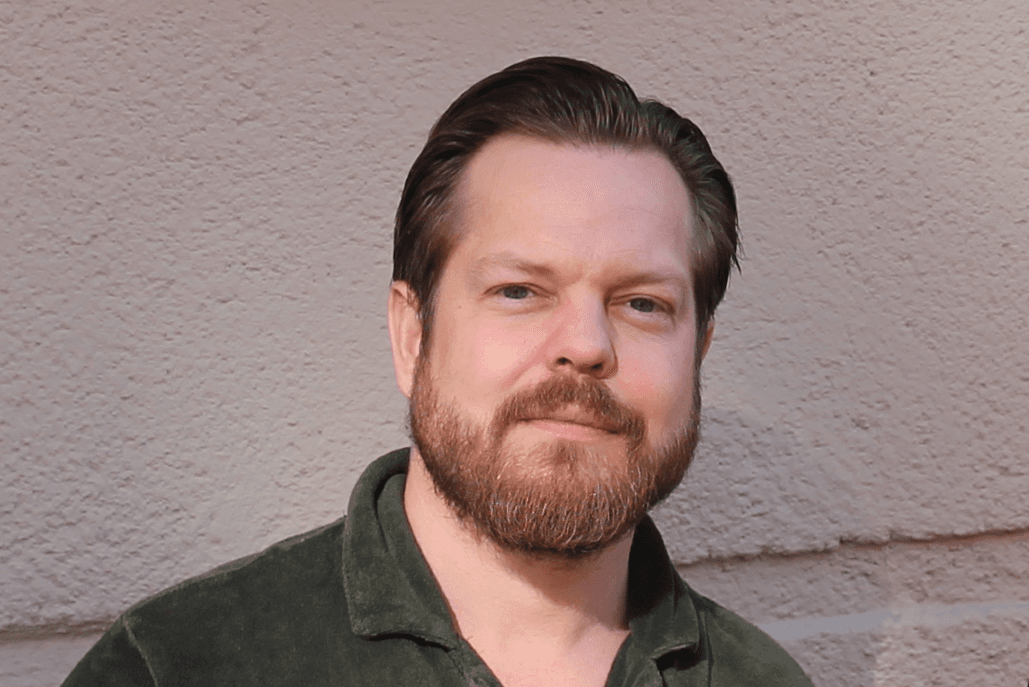
Anders Hamberg is one of the founders of Wellr. His journey began as a naprapath, where he met people in pain every day. Quite quickly, he realized that it was rarely about a single injury. Instead, he saw a bigger pattern: stress, lack of sleep, sedentary behavior, and lifestyle habits that were gradually wearing people down. That insight became crucial. Treatments could ease the pain for the moment, but the problem remained.
“I felt that we had to shift the focus. It’s not enough to take care of people only once they’ve already become ill or injured. Health has to be prevented and ideally built into everyday life,” says Anders.
From the clinic to workplace health The step from working with individuals in a clinic to wanting to change health in working life might seem big. But for Anders, it was logical. When he worked out at companies, he saw the same patterns there as in the clinic. One-off efforts were common: a lecture, a step challenge, or the wellness allowance. But they almost only attracted those who were already engaged. The people who really needed it most were often left out.
For Anders, the conclusion was that companies lacked tools to work with health in a more structured and inclusive way. When he and Martin Forslund founded Wellr, the vision was therefore clear: to create a digital support that makes health accessible to everyone and just as natural to follow up as other parts of the business.
Three challenges to solve When Wellr started, there were three major challenges they wanted to tackle:
Companies lacked tools to work with health in a data-driven way. We wanted to give HR and management the ability to see the current situation, set goals, and track progress.
Health is highly individual. In a company with 500 employees, there are 500 different challenges, and they change over time. That’s why every individual must feel that “this is relevant to me.”
Engagement was low. To get the majority on board, you need breadth – activities and solutions that include everyone, regardless of training habits or interest.
Results that make a difference Since its launch, Wellr has grown rapidly. The effects are visible both in the numbers and in the stories behind them. In several of our client companies, 14.5 percent of employees have left the risk group for sick leave, 59 percent feel that their stress levels have decreased, and as many as 70 percent have increased their physical activity. For Anders, it is precisely the combination of concrete results and personal stories that makes the strongest impression.
“When we hear about someone who has started moving again after several years of being sedentary, or about teams that have found a completely new energy together – that’s when we know we’re really making a difference.”
Health as a strategy, not a project Still, there is a major challenge in working life, Anders believes. The view of health is often too short-term.
“Preventive health is not about quick fixes. It’s about building a culture where health is as self-evident as finance or sustainability. That requires long-term commitment and a systematic approach.”
Looking ahead For Wellr and its founders, the goal is clear: to move health higher up on companies’ agendas. When employers dare to see well-being as a strategic issue rather than a one-off initiative, it unleashes power that benefits both people and organizations.
That’s where Wellr wants to make a difference – by helping companies build long-term habits that actually last.